


Have you ever thought about the language journey you’d embark on if you decided to learn Korean or Japanese? The intricacies of both languages intrigue many people who decide to immerse themselves in Asian culture. But when it comes to the difficulty level between learning Korean and Japanese, which one presents more of a challenge? Fasten your seatbelts as we dive into the world of comparative linguistics, unveiling the complexities and charms of mastering these captivating languages.
Verdict
Learn Japanese if:
- You’re interested in anime and Japanese literature.
- You’re up for mastering three different writing scripts: Hiragana, Katakana, and Kanji.
- You enjoy the challenge of navigating intricate politeness levels and honorifics.
- You’re okay with the complexity in reading and writing.
Learn Korean if:
- You prefer a more straightforward approach to learning grammar without dealing with multiple scripts.
- You’re drawn to K-pop and K-dramas.
- You want a simpler writing system (Hangul) that’s easier to learn for beginners.
- You’re okay with tackling a complex honorifics system, but enjoy more predictable grammar.
Whether you’d like to practice Japanese or Korean, Lingolette is here to help! Dive into interactive lessons and immersive practice tailored to your needs.


The Allure of Asian Languages: Why Korean and Japanese?
More Americans than ever are choosing to learn Korean or Japanese, and it’s no surprise why. The Korean Wave, or “Hallyu,” has made waves with K-pop and Korean dramas, prompting many to enroll in Korean language courses. Meanwhile, Japan’s rich history, technological innovations, and vibrant pop culture continue to draw in those curious about its linguistics. Whether through language learning apps for Korean and Japanese or traditional classroom settings, the allure remains undeniable.
Alphabet Systems: Hangul vs Kanji, Hiragana, and Katakana
Starting with the basics, one of the biggest differences between Korean and Japanese is their writing systems. Understanding these is crucial in grappling with Korean and Japanese language difficulty.
Korean: Hangul
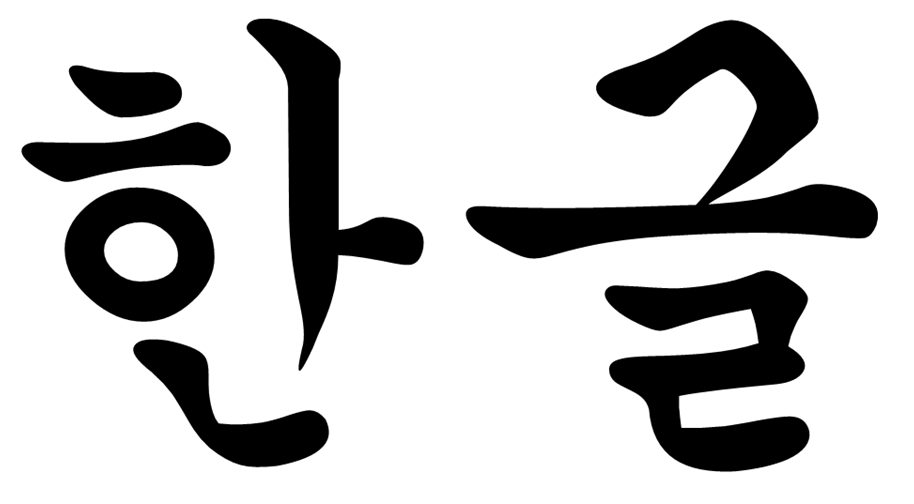
The Korean alphabet, Hangul, is characterized by its simplicity and logical structure. Developed in 1443 by King Sejong the Great, this system consists of 14 simple consonants and 10 vowels. Learners can often master Hangul relatively quickly, making it an inviting aspect for those aiming to learn Korean. You can observe Korean writing system through some news here.
Japanese: Kanji, Hiragana, and Katakana
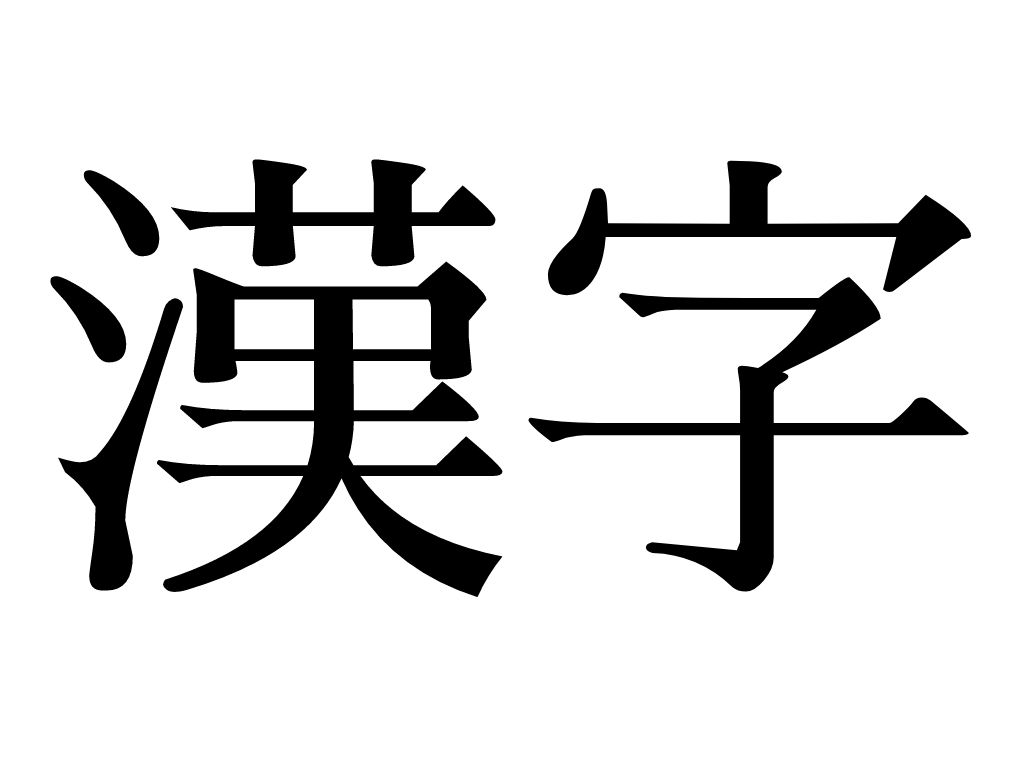
Contrastingly, Japanese employs a more complex system. It incorporates Kanji — characters borrowed from Chinese, which encompass thousands of unique symbols. Additionally, it uses two syllabary systems: Hiragana and Katakana, each containing 46 characters. Tackling these can be daunting for beginners, often requiring extensive study in Japanese language classes. You can observe Japanese writing system through some news here.
Grammar and Sentence Structure: Comparing Complexity
When delving deeper into the difficulty of Korean and Japanese, grammar and sentence structure offer another important point of comparison.
Korean Grammar
Korean grammar is known for its subject-object-verb (SOV) order, which may initially feel unusual to native English speakers accustomed to subject-verb-object (SVO). However, Korean has straightforward rules and is consistent once you grasp its nuances. It does, however, feature seven speech levels, which adjust based on social hierarchies, adding an additional layer of complexity to learn Korean effectively.
Japanese Grammar
Japanese grammar can pose a steeper incline for beginners. It follows an SOV structure but includes many verb conjugations and markers that denote grammatical relationships. Additionally, politeness forms in Japanese can become intricate, with distinctions extending far beyond those found in English. Thus, learning Japanese requires dedicated practice to navigate these nuances.
Pronunciation: A Comparative Analysis

Understanding pronunciation offers another lens through which to assess the question: is it more difficult to learn Korean or Japanese?
Korean Pronunciation
Korean pronunciation might initially be difficult for learners due to sounds not found in English, such as certain consonant clusters and aspirated sounds. However, the phonetic nature of Hangul eases the process, as each character corresponds consistently to a specific sound.
Japanese Pronunciation
Japanese pronunciation tends to be more forgiving for English speakers. Despite this, mastery of pitch accent — a feature that can alter meanings within Japanese language classes — is essential to ensure clarity and accuracy in communication.
Vocabulary and Language Borrowing
Both languages have contributed and adopted numerous loanwords, yet the extent and impact of these loans differ vastly.
Korean Vocabulary
Korean has borrowed words from Chinese and, more recently, English. This makes it both easier and challenging, as some words may seem familiar to English speakers but require context-driven understanding when employed in Korean language courses.
Japanese Vocabulary
Japanese, too, integrates loanwords, notably from English, recognized as “gairaigo.” However, the sheer volume of native Japanese vocabulary, together with Kanji’s complexity, poses a significant memorization challenge for those aiming to learn Japanese.
Cultural Context: Impact on Learning
Language learning is inseparable from cultural immersion.
Korean Culture and Media

The explosive growth of Korean culture globally facilitates rich, multimedia engagement opportunities. Language learning apps for Korean are filled with cultural references, making them indispensable tools for soaking in meaningful vocabulary.
Japanese Culture and Media

Japan’s deep heritage and global influence ensure vast resources for learners. Yet, understanding the societal context, from historical to contemporary presets, enhances comprehension and fluency for those devoted to learning Japanese.
Which Language Should You Choose?
Deciding between Korean and Japanese is ultimately a personal choice. Consider your motivations, access to Korean language courses or Japanese language classes, and your willingness to embrace each language’s unique rhythm.
● If simplicity in writing is your priority, learn Korean for its logical Hangul script.
● If captivated by Japanese media and willing to tackle Kanji, diving into Japanese can be rewarding.
● Whichever language you choose, language learning apps Korean Japanese alike can guide you every step of your journey.
Conclusion
So, which language is harder, Korean or Japanese? Both present their triumphs and challenges, making it impossible to crown one “more difficult” universally. Our exploration reveals that learning either Korean or Japanese is a deeply rewarding endeavor that offers profound insights into different cultures, enriching our understanding of the world one character at a time. Remember, whether through intensive study lines or through the fun-filled interface of language learning apps to learn Korean and Japanese are at your fingertips, ready to help you embark on your linguistic adventure.
If you’re eager to practice your Korean or Japanese skills, Lingolette is the perfect place to be! With interactive lessons, real-world conversation practice, and AI-powered feedback, you can immerse yourself in the language and culture at your own pace. Whether you’re a beginner or looking to refine your fluency, Lingolette offers personalized learning experiences tailored to your goals. Start your journey today and make learning Korean or Japanese an exciting and rewarding adventure!




 Lingolette Blog
Leave a comment