

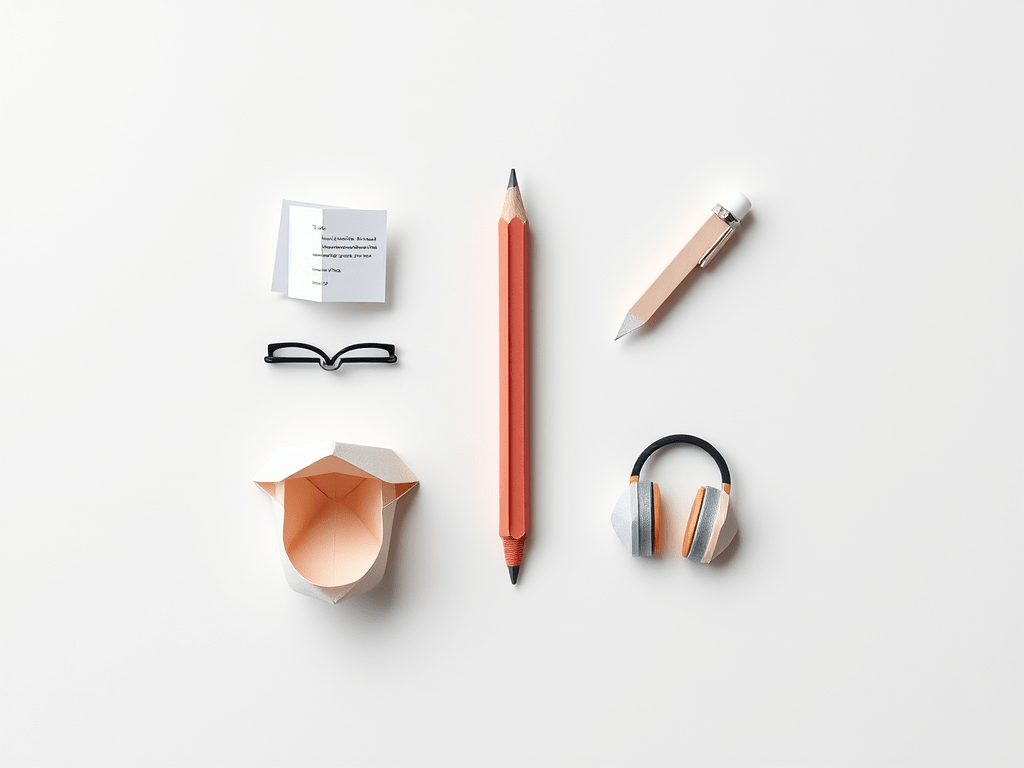
Mastering a language means developing all four core skills: speaking, reading, writing, and listening. But finding the right balance can be tricky, especially if you naturally gravitate toward one skill. Here’s how to develop each skill effectively while maintaining a balanced approach.
✅ Holistic Approach: Developing speaking, listening, reading, and writing together ensures steady progress.
🎯 Targeted Improvement: Identifying strengths and weaknesses helps focus on weaker areas.
📅 Structured Yet Flexible: Setting specific goals and using real-life materials makes learning practical.
📱 Tech-Enhanced Learning: Apps like Lingolette offer seamless integration of all four skills.
⚖️ Avoiding Burnout: Mixing activities and tracking progress keeps motivation high.
1. Identify Your Strengths and Weaknesses
Start by assessing your current abilities. Are you better at reading but struggle with speaking? Knowing where you stand will help you allocate more time to weaker areas.
- Tip: Take an online language proficiency test or reflect on past experiences to identify gaps.
2. Set Specific Goals for Each Skill
Avoid focusing too heavily on one area. Set goals tailored to each skill. For example:
- Speaking: Practice ordering food or introducing yourself.
- Listening: Watch short podcasts or audiobooks at 75% speed.
- Reading: Read children’s books or simplified news articles.
- Writing: Keep a daily journal in your target language.
3. Integrate Skills Naturally
The skills often overlap, and practicing one can support others. For example:
- Speak and Write: Practice describing a photo out loud and then write about it.
- Read and Listen: Follow along with audio while reading a transcript.
4. Use Real-Life Materials
Incorporate authentic resources to make practice engaging and practical:
- Speaking: Join language exchanges or talk with AI tutors like Lingolette.
- Listening: Watch movies, listen to music, or tune in to radio stations.
- Reading: Explore blogs, books, or comics in your target language.
- Writing: Comment on social media posts or participate in forums.
5. Schedule Regular Practice
Allocate time for each skill based on your goals and weaknesses. For example:
- Monday: 30 minutes of listening and 20 minutes of writing.
- Wednesday: 1-hour conversation practice.
- Friday: 45 minutes of reading and vocabulary building.
6. Use Technology

Many apps provide opportunities to practice multiple skills:
- Lingolette: Combines speaking, listening, reading, and writing in interactive lessons.
- Anki: Great for vocabulary and sentence construction.
- HelloTalk: Facilitates speaking and writing with native speakers.
7. Track and Reflect
Record your progress and adjust your methods:
- Keep a journal of new words and grammar rules.
- Record yourself speaking to analyze pronunciation.
- Test comprehension by summarizing what you’ve read or heard.
8. Avoid Burnout
Overloading on one skill can lead to frustration. Mix activities to keep things fresh:
- Alternate between active (speaking, writing) and passive (listening, reading) tasks.
- Incorporate fun activities, like karaoke or online games, to stay motivated.
By balancing your practice across all four skills, you’ll build a well-rounded foundation and progress faster in your language learning journey. Remember, consistency and variety are key to keeping your learning engaging and effective.
So, what should I do?
If you want to develop all four language skills without feeling stuck or overwhelmed, Lingolette is a great way to stay on track. It helps you practice speaking, listening, reading, and writing in a natural, engaging way—whether through AI-powered conversations or real-life content. Instead of forcing yourself to focus on one skill at a time, you can improve all of them together in a way that feels effortless. If you’re looking for a fun and flexible way to practice consistently, Lingolette can make your language learning journey smoother and more enjoyable.




 Lingolette Blog
Leave a comment